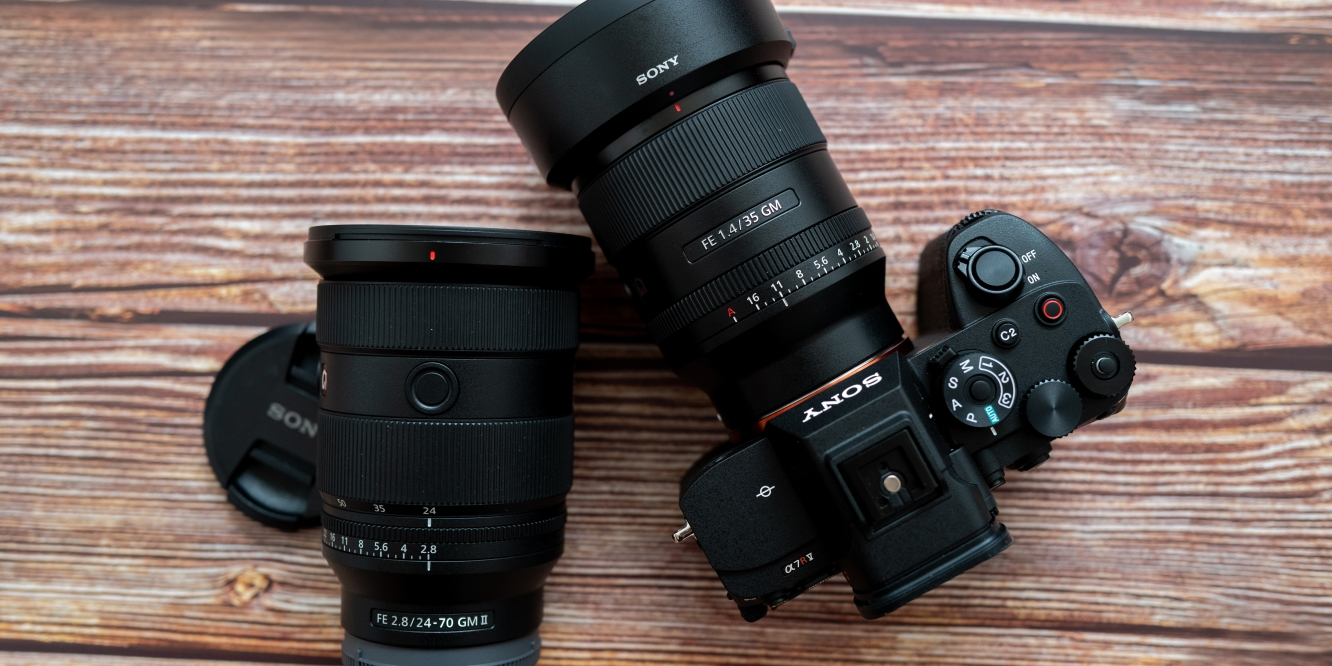
https://www.aexception.com/ultimate-sony-camera-guide-2025-evolution-ai-autofocus-models/
For bird photography enthusiasts, choosing the right camera is crucial. High pixels, fast focus and reliable tracking capabilities are essential features. Sony Alpha 7R V has become the first choice for many professional bird photographers with its 61 million pixels and AI-driven bird eye recognition. After more than 20 months of intensive use, I will share the real experience of this camera, hoping to provide a reference for photography enthusiasts who are choosing equipment.
Why choose Alpha 7R V?
My bird photography journey began with Alpha 7 IV. With SEL200-600G lens, 33 million pixels and 759 phase focus points have provided a good shooting experience. But after upgrading to Alpha 7R IV, the 61 million pixel detail performance made me completely addicted – even after cropping, the image quality is still amazing.
However, Alpha 7R IV also has obvious shortcomings: lack of bird eye tracking, focusing speed in complex environments is a bit laborious. Until the release of Alpha 7R V, it not only maintained its advantage in pixels, but also brought 693 phase focus points, AI bird’s eye recognition technology, and a 9.44 million pixel electronic viewfinder, which made me upgrade without hesitation.
Core advantages: ultra-high pixels and precise focus
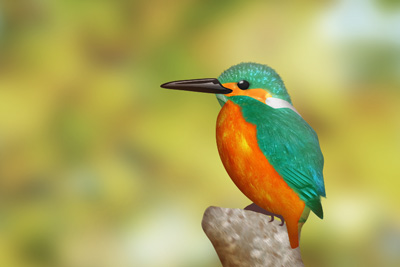
61 million pixels of extreme details:
Hair-level image quality: ultra-high resolution allows details such as feather texture and eye reflection to be clearly visible.
Flexible cropping space: Even if it is cropped to APS-C format, it can still retain 30.5 million pixels, which is suitable for long-distance shooting.
More freedom in post-production adjustment: Not satisfied with the composition? It can still maintain high clarity after secondary cropping.
AI bird’s eye recognition and tracking:
Accurate locking in complex environments: Even in a forest with intertwined branches and leaves, the camera can quickly identify and track bird eyes.
Improved focus speed: Compared with Alpha 7R IV, Alpha 7R V’s focus is more decisive, reducing the “bellows” phenomenon.
Flying performance: Although the continuous shooting speed (10 fps) is not as fast as the Alpha 1 (30 fps) or Alpha 9 III (120 fps), the focus success rate is sufficient to cope with most flying bird scenes.
Actual performance: static and dynamic shooting
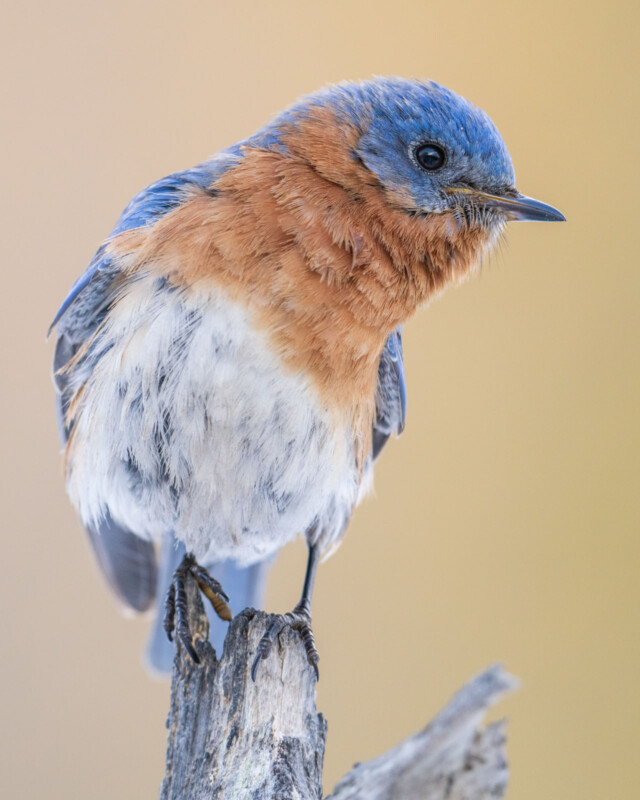
Still shooting: The Alpha 7R V performs well when shooting static birds. The high pixel and excellent dynamic range make it easy to adjust exposure and details in post-production even in backlit or low-light environments.
Flying shooting: For birds in flight, the performance of the Alpha 7R V depends on the specific scene:
Birds flying at medium and low speeds (such as herons and eagles): Focus is stable and continuous shooting is enough to capture key movements.
High-speed flying forest birds (such as swallows and bee-eaters): Compared with the stacked sensors of the Alpha 1 or Alpha 9 III, the Alpha 7R V has a slightly more obvious jello effect, but it can still handle it with pre-focus and tracking settings.
Tips:
Use AF-C and bird eye recognition mode with appropriate tracking sensitivity settings.
In complex backgrounds, you can manually select the focus area to assist AI recognition.
Comparison with competitors
When comparing the Alpha 7R V with other competitors, you can find its main advantages and disadvantages:
The biggest highlight of the Alpha 7R V is its ultra-high resolution of 61 million pixels, which makes it excellent in detail performance, especially suitable for bird photography that requires extreme image quality. Its large cropping space allows users to make larger crops and still retain enough pixels for detail processing. At the same time, AI bird eye recognition technology performs particularly well in complex environments, and its ability to accurately identify and track bird eyes significantly improves the success rate of shooting. Although the continuous shooting speed is 10 frames per second, it is not as good as other competitors such as Alpha 1 (30 frames per second) or Alpha 9 III (120 frames per second), it is enough for most bird photography scenes.
In contrast, the Alpha 1 offers a higher continuous shooting speed (30 frames per second), suitable for extreme motion capture and high-speed shooting, and has 8K video recording capabilities. However, its pixel count is 50.1 million, slightly lower than that of the Alpha 7R V, which may be lacking in some occasions where detail is required. In addition, the price of the Alpha 1 is relatively expensive.
The Alpha 9 III is known for its 120 fps continuous shooting speed and global shutter function, which is suitable for extreme sports and high-speed shooting. However, its 24-megapixel sensor is weaker than the Alpha 7R V in detail performance, especially in high pixel and detail capture, it cannot match the Alpha 7R V.
In summary, if you pay more attention to image quality and details, the Alpha 7R V is an ideal choice; if you need extreme continuous shooting speed and motion capture capabilities, the Alpha 1 or Alpha 9 III may be more suitable.
Is it worth buying?
After long-term use, I am very satisfied with the performance of the Alpha 7R V in bird photography:
Ultra-high pixel: Gospel for detail freaks, worry-free cropping.
AI bird eye recognition: greatly improved focus accuracy.
Balanced performance: It is good at both static and medium- and low-speed shooting.
The only regret: If future models can combine global shutter and high pixels, it will be completely perfect.
For photography enthusiasts who are choosing a bird-watching camera, the Alpha 7R V is a professional tool worth serious consideration. It not only meets the needs of the bird-watching party, but also helps you lock the decisive moment in complex environments.
https://www.aexception.com/ultimate-sony-camera-guide-2025-evolution-ai-autofocus-models/